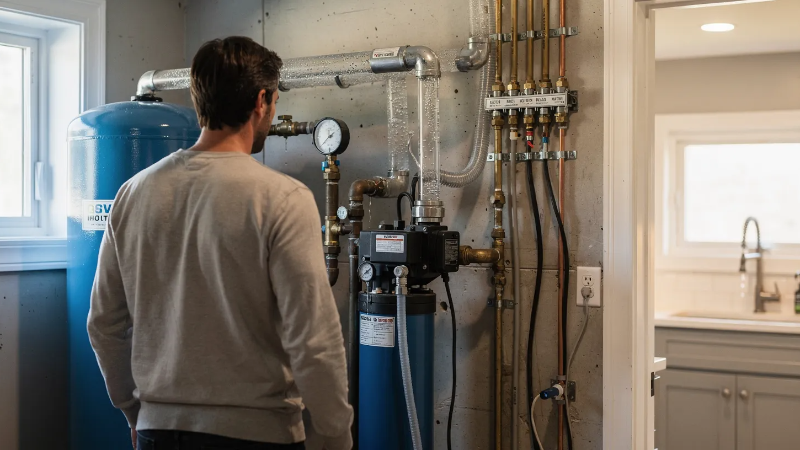
7 Signs Your Home Water Supply May Have a Pump-Related Problem
In a private-well system, the pump is only one part of a larger system. The pressure tank, electrical controls, plumbing, well construction, and the groundwater available to the well can all influence how reliably water reaches your home.
For homeowners in Barrie, Ontario, the most useful first step is to recognize the symptoms, record when they occur, and understand what a qualified professional may need to investigate. A proper assessment should consider both the mechanical equipment and the well's ability to supply water under actual operating conditions.
Key Takeaways
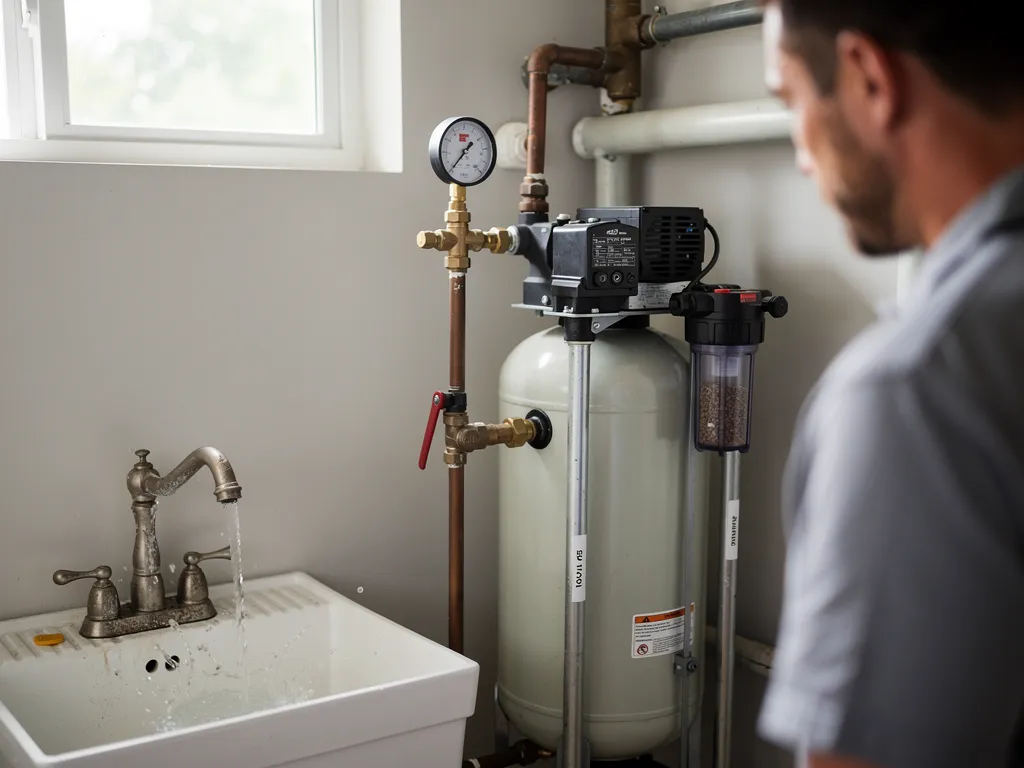
Low pressure, sputtering faucets, or lost water supply can stem from the pump, pressure tank, controls, plumbing, or the well itself, not necessarily a pump failure.
A well's ability to deliver water depends on its construction and recommended pumping rate, not just the pump's horsepower.
Frequent pump cycling, unusual noises, or weakening flow during extended use point to a system-wide check, not a single-part swap.
Cloudy or discoloured water should prompt water-quality testing, since appearance alone cannot confirm the cause or rule out contamination.
Recording when a symptom occurs, which fixtures are affected, and whether the supply recovers gives a professional far more to work with than the symptom alone.
Ontario's Regulation 903 requires certain well work to be performed by licensed well contractors and technicians.
Harris Plumbing, Wells & Drains has served Simcoe County, Muskoka, and York Region for more than 52 years with certified, insured technicians and a one-year workmanship guarantee.
Start With the Symptom, Not a Diagnosis
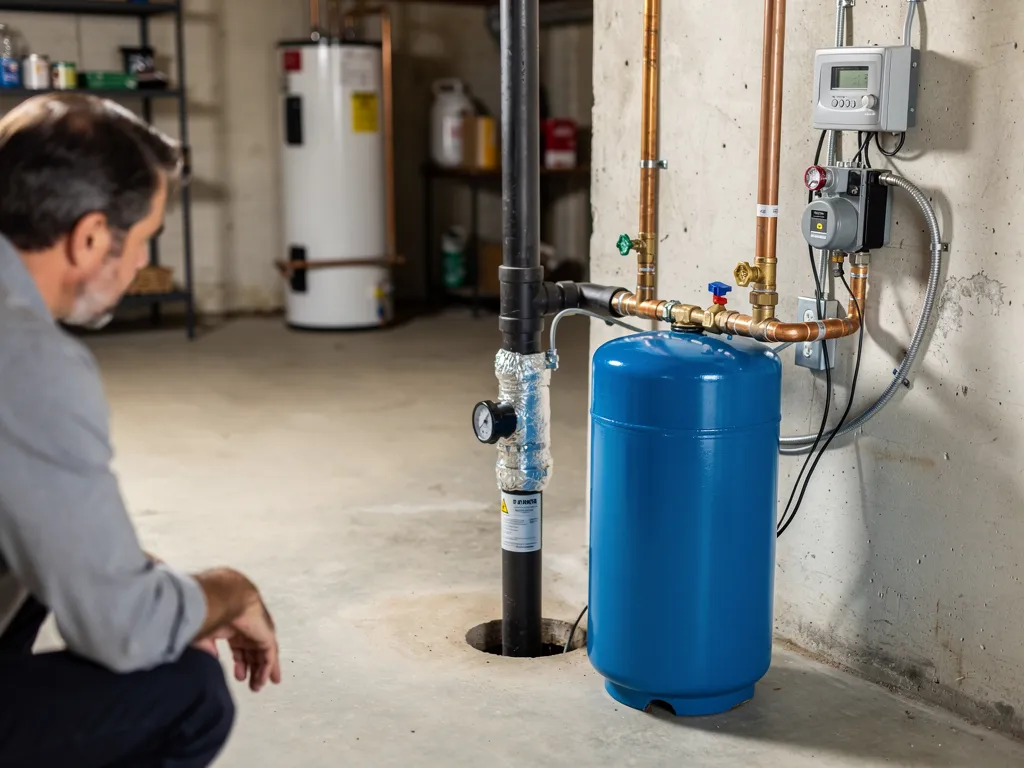
A private-well water system depends on several connected components working together:
The well and surrounding groundwater: The well must intersect a water-bearing formation and provide an adequate supply under the conditions in which it is used.
The pump and pumping equipment: Most residential wells rely on either a submersible pump, installed down inside the well itself, or a jet pump, installed in the home or a pump house. These components move water from the well into the household supply, and which type you have shapes how a technician approaches diagnosis and service.
The pressure tank and controls: These help maintain system pressure and regulate pump operation, depending on the system design.
The plumbing and electrical supply: Leaks, restrictions, electrical faults, and other problems can affect water delivery even when the pump itself is functional.
Ontario's well-maintenance guidance identifies several possible sources of water-supply problems, including pumping-equipment failure, sediment, damaged components, and declining groundwater levels. It also emphasizes that each well and its surrounding environment are different.
Source: https://www.ontario.ca/document/water-supply-wells-requirements-and-best-practices/maintenance
That is why a useful diagnosis looks at the entire system rather than replacing a pump based on one symptom alone.
1. Your Water Pressure Has Dropped
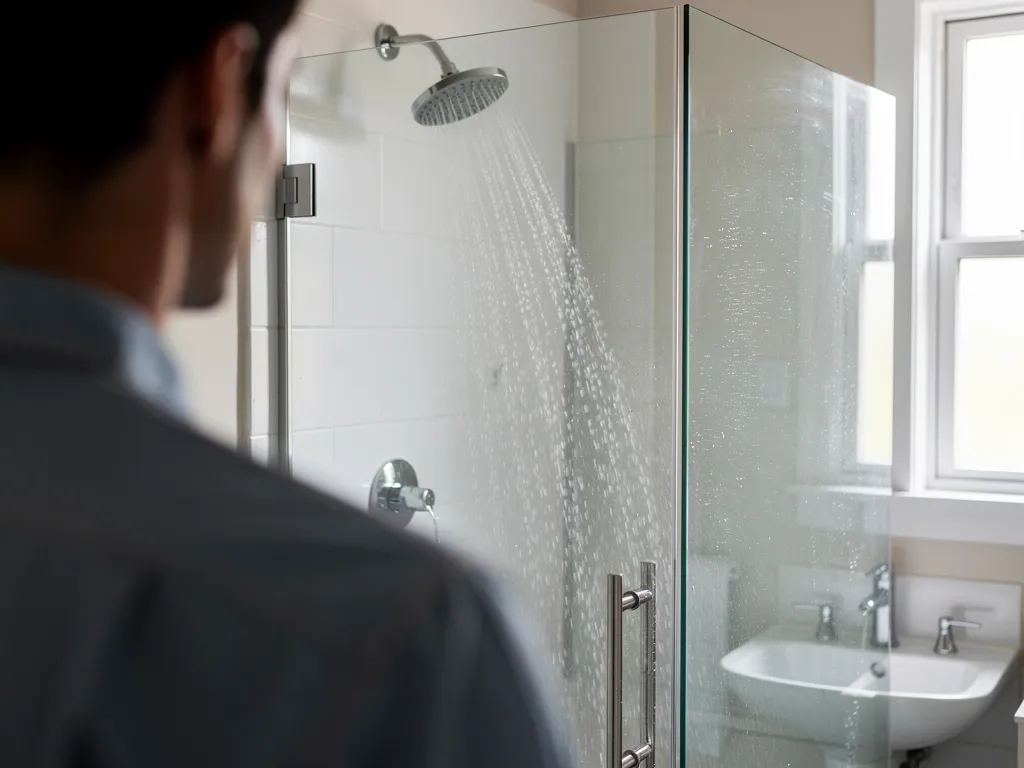
One of the most noticeable signs of a possible water-system problem is a change in pressure at faucets, showers, or other fixtures.
You might notice that a shower feels weaker than usual, a faucet takes longer to fill a container, or water pressure drops significantly when several fixtures are running.
What Could Be Happening?
Several conditions may produce similar symptoms:
A pressure tank or pressure-control problem may prevent the system from maintaining normal pressure.
A pump may not be delivering the required flow under the current operating conditions.
A partially closed valve, plumbing restriction, or leak may affect water delivery.
Sediment or mineral deposits may restrict parts of the system.
The well may be unable to sustain the water demand being placed on it.
Groundwater availability matters here. A pump can operate but still fail to provide the expected household supply if the well's yield, the pump's operating point, or the available water level is unsuitable for the demand.
What Should You Observe?
Before calling for service, note a few details that help narrow down the cause:
Whether the pressure is consistently low or only drops when multiple fixtures operate.
Whether the problem affects the whole house or just one faucet.
These details help distinguish a possible whole-system issue from a localized plumbing restriction. They do not establish the cause by themselves.
2. Your Faucets Sputter or Release Air Along With Water
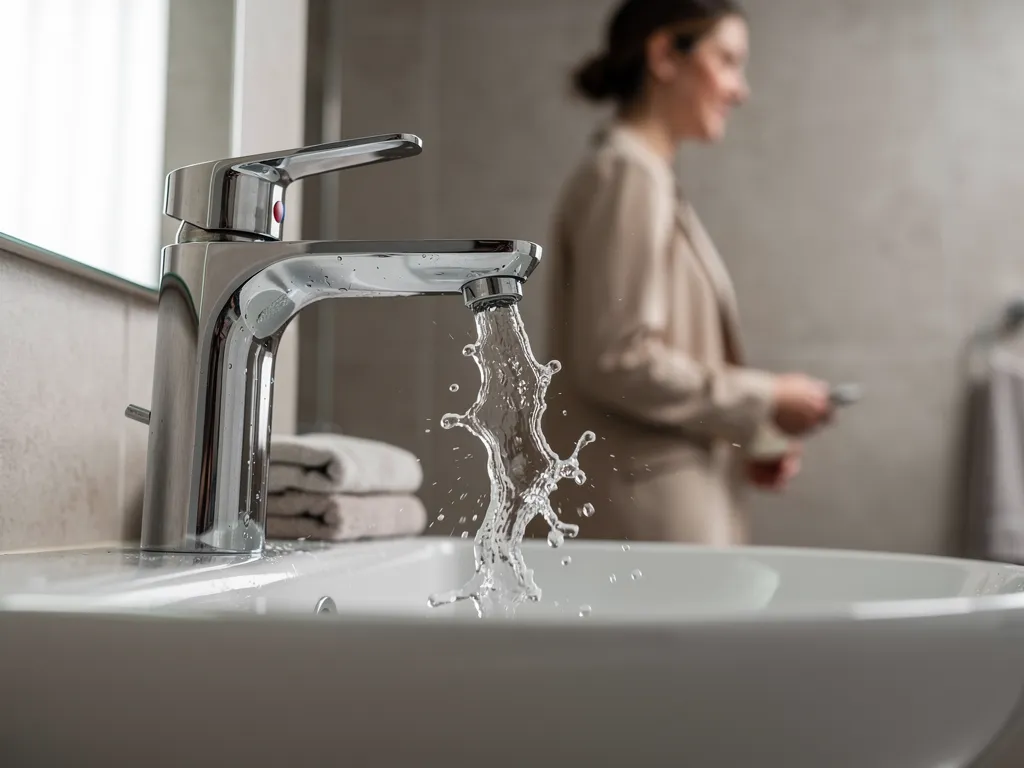
If water comes out in bursts, spits from the faucet, or appears to contain air, the problem may involve the water supply or the way water is delivered through the system.
First, note whether the symptom affects one fixture or several. A problem limited to one faucet may have a different explanation from sputtering throughout the house.
What Could Be Happening?
Possible explanations depend on the well and plumbing arrangement:
Air entering the system.
A water-supply interruption.
A leak or fault in pumping equipment.
Conditions affecting the water level available to the pump.
Damage or defects in the well's casing, seals, or other protective components, which changing the pump alone will not resolve.
Source: https://www.ontario.ca/laws/regulation/900903
If sputtering begins after a repair, a power interruption, or a change in water usage, record that timing and tell the service provider.
Important: Air at a faucet is not proof that the pump is defective. If the water also becomes cloudy, discoloured, or unusually odorous, treat that as a separate water-quality concern that may require investigation and testing.
3. The Water Supply Stops or Becomes Intermittent
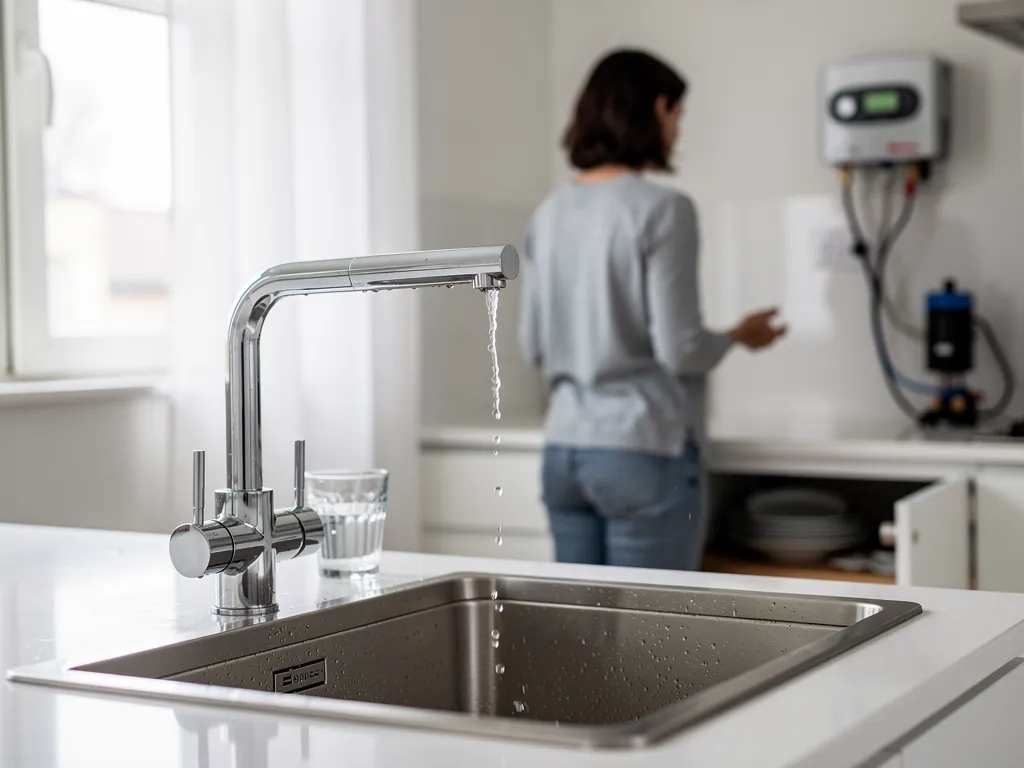
A household that suddenly loses water, then regains it later, may be experiencing a problem involving the pump, its controls, the available water supply, or another part of the system.
The timing of the interruption is especially important.
What Could Be Happening?
Consider these possibilities during a professional assessment:
Electrical or control problems: The pump may not start, or it may fail to continue operating as intended.
Pumping-equipment failure: A pump, motor, waterline, or associated component may be damaged.
Insufficient available groundwater: The water level may fall during pumping, particularly if demand exceeds what the well can sustainably supply under the conditions at that time.
Well interference or changing groundwater conditions: Nearby activities, such as construction dewatering, or changes in aquifer recharge may affect groundwater levels in some circumstances.
Ontario's guidance recognizes groundwater-level declines and well interference as possible explanations for reduced supply or no water, after pump operation has been assessed.
Source: https://www.ontario.ca/document/water-supply-wells-requirements-and-best-practices/maintenance
Why Groundwater Dynamics Matter
A well's ability to supply water is not determined by pump horsepower alone. Several factors shape what the well can actually deliver:
Well construction: casing depth, screen placement, and overall design.
Water-bearing formation: the geology the well draws from.
Recommended pumping rate: the sustainable withdrawal rate documented for that well.
Water level during pumping: how far the water level drops while the pump runs.
Example: a household has adequate water during light use but repeatedly loses supply after extended showers or several loads of laundry. The pattern could indicate that demand is exceeding the system's ability to deliver water under those conditions. It does not, by itself, prove that the groundwater level is too low.
A professional may need to assess pump performance alongside the well record, water-level information, and the system's actual demand before recommending a repair or alteration.
4. The Pump Starts and Stops Frequently
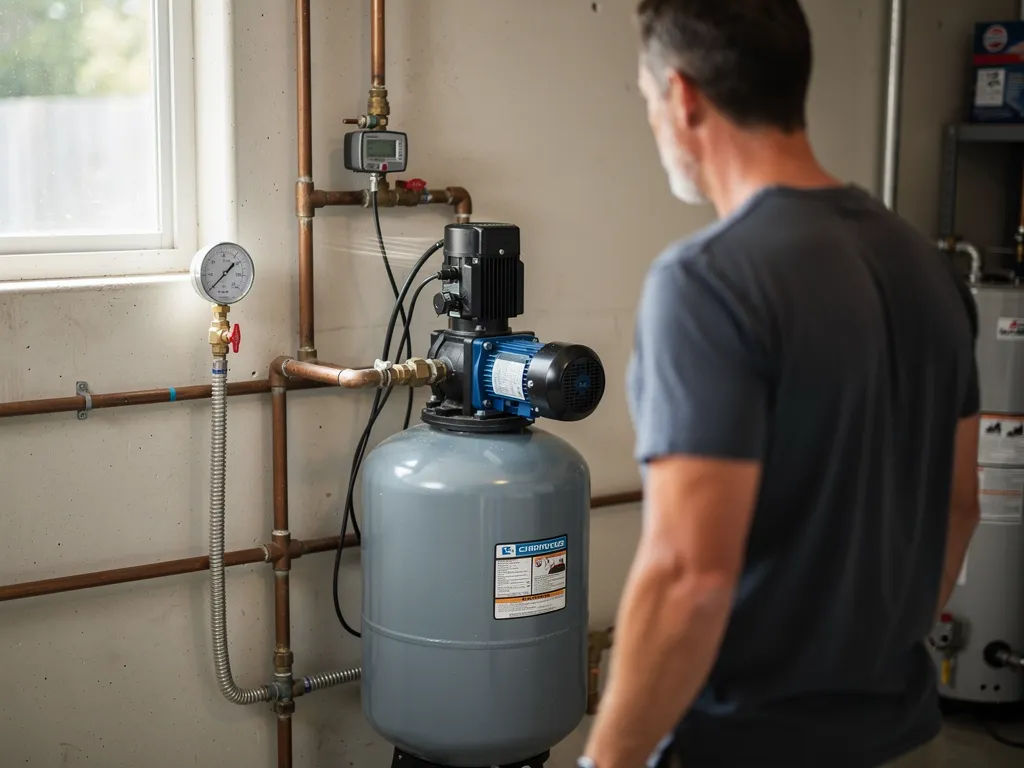
A pump that switches on and off unusually often is sometimes described as short cycling. Instead of operating in a normal pattern for the system, it repeatedly starts and stops.
You may hear the pump or its controls clicking on and off while using water, or notice frequent cycling even when household demand seems low.
What Could Be Happening?
Potential explanations include:
A pressure tank problem.
A faulty pressure switch or other control component.
A leak or water demand that causes pressure to fall repeatedly.
A check-valve or other system problem, depending on the installation.
A mismatch between pump operation, system controls, and water demand.
Frequent cycling can increase wear on equipment. However, the precise cause cannot be determined from the sound or frequency alone.
Why the Pressure Tank Matters
Its job: reduce how often the pump needs to start every time a small amount of water is used.
If it's not working correctly: the pump may cycle more frequently than expected.
What a technician should check: the tank, controls, pump, and plumbing as a connected system, not any one part in isolation. A correctly integrated system ties the pump, pressure tank, pressure switch, and the electrical and plumbing connections together, so a problem traced to the tank alone can still point to how it was matched to the rest of the setup.
A quick fix isn't always the fix: replacing the pressure switch or adjusting a setting without identifying the underlying problem may not resolve the cycling.
What you can safely do: note when the cycling occurs and whether it continues when no fixtures are being used. Do not open electrical controls or pressurized equipment to investigate.
5. Your Water Supply Weakens During Extended Use

Another possible warning sign is a supply that starts normally but weakens after prolonged use.
For instance, the shower may have adequate pressure at first, then lose flow after several minutes. The supply may recover after the household stops using water for a while.
What Could Be Happening?
This pattern deserves particular attention to the relationship between water demand and the well's available yield.
A professional may need to consider:
The well's documented recommended pumping rate.
Static water level and water level during pumping, where appropriate measurements are available.
Whether the pump is correctly selected for the well and the required delivery conditions.
Sediment or mineral deposits affecting the pump intake, well screen, or other components.
Changes in groundwater availability or possible interference from nearby water-taking or dewatering activities.
Ontario's technical guidance identifies reduced groundwater levels, improper pump selection, and obstructions caused by sediment or mineral deposits among the potential causes of well-performance problems.
Source: https://www.ontario.ca/document/water-supply-wells-requirements-and-best-practices/maintenance
Why Well Construction Matters
A well is more than a hole containing a pump: its depth, construction, water-bearing formation, and design influence how water enters the well and how much can be withdrawn without creating unacceptable operating conditions.
A mismatched pump adds risk: one that's unsuitable for the well's recommended pumping rate can contribute to problems such as excessive drawdown or sediment movement.
So a bigger pump isn't automatically the answer: installing a larger pump is not automatically the correct solution.
The real goal: determine whether the limitation lies in the pump, the well, the groundwater supply, or a combination of factors.
6. You Hear Unusual Pump or Equipment Noises
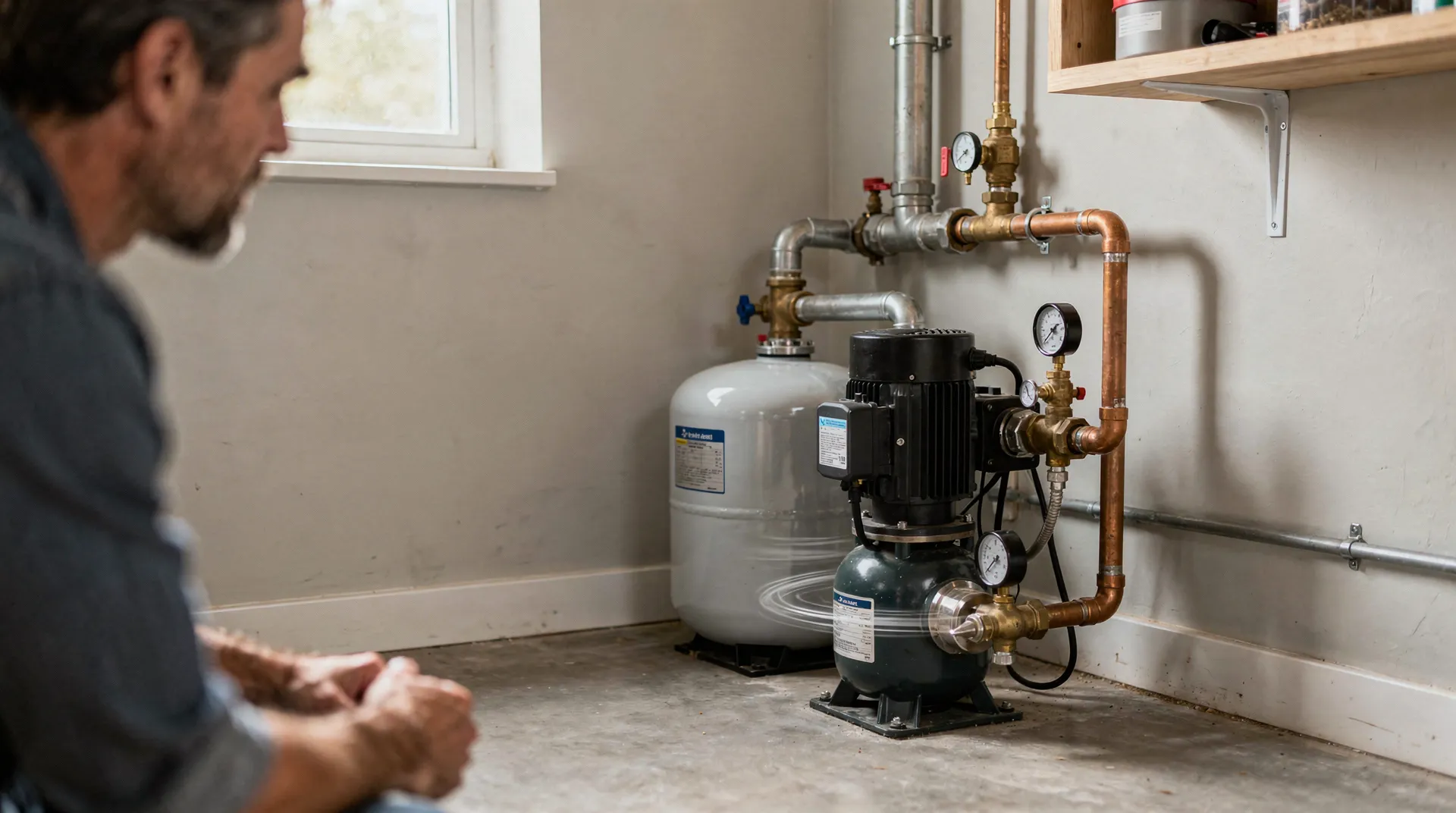
New or unusual noises can indicate that something in the water system needs attention.
Examples include repeated clicking, humming without normal water delivery, rattling, or other sounds that differ from the equipment's usual operating pattern.
What Could Be Happening?
The explanation depends on where the noise originates and when it occurs.
Repeated clicking may accompany frequent switching by the pressure controls.
A humming sound without normal operation may indicate an electrical or mechanical problem.
Noise associated with water flow may originate in plumbing, valves, or other components rather than the pump.
Changes in operating sounds may accompany a restriction, equipment wear, or another developing fault.
These are possibilities, not definitive diagnoses. Different pump types and installations behave differently, and a noise heard in the basement may not originate from the component that appears closest to it.
What Should You Do?
Record when the noise occurs, whether water is flowing at the time, and whether the supply or pressure changes at the same moment.
If you notice a burning smell, visible electrical damage, or signs of overheating, stop using the affected equipment if you can do so safely and seek qualified assistance.
Do not open electrical enclosures or handle exposed wiring.
A professional assessment should follow the equipment manufacturer's instructions and consider the pump, controls, pressure system, and installation together.
7. Your Water Becomes Cloudy, Discoloured, or Contains Sediment

Changes in water appearance can indicate a problem that deserves investigation, especially when they occur alongside a drop in pressure or a reduction in water supply.
You may notice particles in a glass, cloudy water, unusual discolouration, or sediment collecting in fixtures.
What Could Be Happening?
Possible explanations include:
Sediment entering from the well or being disturbed during pumping.
Mineral deposits or other material affecting the well or plumbing.
A damaged well component or an issue with the well's construction or protection.
A change in groundwater conditions or water quality.
A separate plumbing or treatment-system problem.
Ontario's well-maintenance guidance identifies sediment and mineral deposits as potential contributors to reduced well performance and pumping-equipment problems. It also emphasizes the importance of maintaining the well to prevent surface water and foreign materials from entering.
Sources:
Why This Is More Than a Pump Issue
A pump replacement may not resolve a problem if sediment originates in the well, the well screen, or the surrounding groundwater conditions. Likewise, a change in appearance does not automatically mean that the pump has failed.
Water that looks clear is not necessarily safe to drink, and cloudy water is not enough to identify a particular contaminant. If water quality changes unexpectedly, consider appropriate water testing and contact the local public health unit for guidance when contamination is suspected.
Ontario provides information on testing and treating private water wells:
https://www.ontario.ca/page/testing-and-treating-private-water-wells
For bacterial testing information, homeowners can also consult Public Health Ontario:
https://www.publichealthontario.ca/en/laboratory-services/well-water-testing
If contamination is suspected, do not assume that repairing the pump alone will make the water safe.
Other Parts of the System That May Be Involved
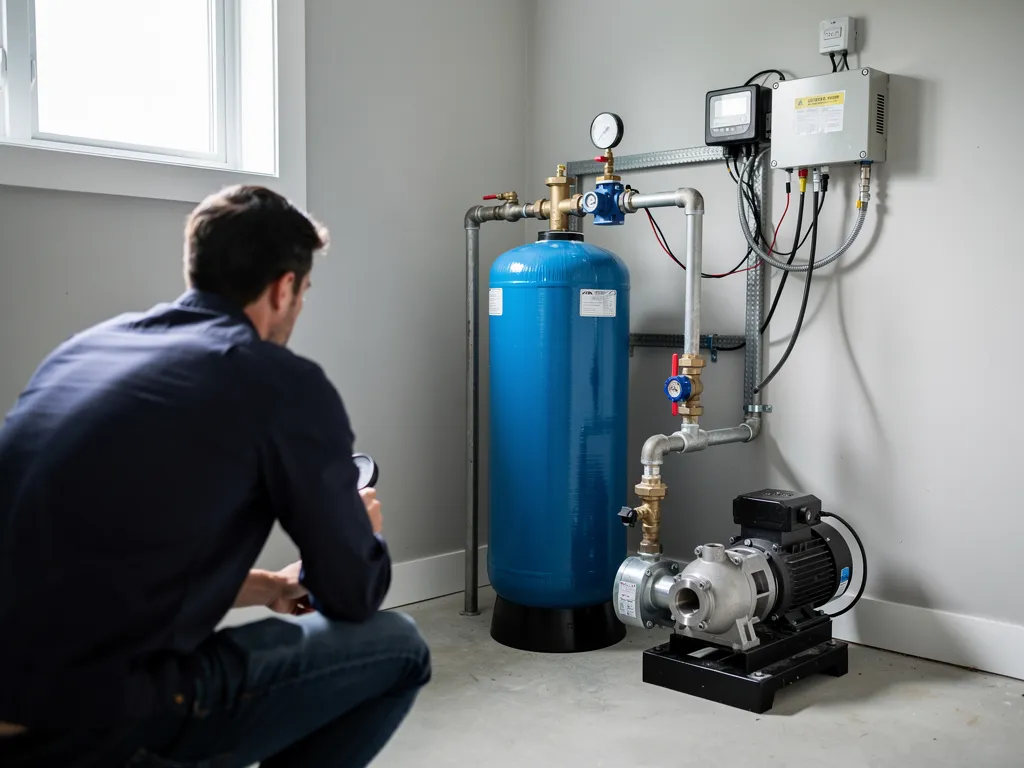
When several symptoms appear together, a useful assessment considers how the system's components interact rather than treating each symptom separately.
System component | What an assessment may need to consider |
|---|---|
Well pump and motor | Whether the pump operates correctly and can meet the required delivery conditions. |
Pressure tank | Whether it is functioning as intended and supporting normal pressure regulation. |
Pressure switch and controls | Whether the pump starts and stops at the intended conditions. |
Electrical supply | Whether the pump receives the appropriate power and whether a fault affects its operation. |
Plumbing and valves | Whether leaks, restrictions, or faulty components affect water delivery. |
Well construction | Whether the casing, seals, screen, or other well components are contributing to the problem. |
Groundwater and well yield | Whether water is available at a sufficient rate under the system's actual operating conditions. |
The specific checks depend on the well design, the equipment installed, and the symptoms observed. Not every system has the same components, and not every investigation requires the same tests.
Ontario's Water Supply Wells: Requirements and Best Practices discusses equipment, well-condition, and groundwater-related problems, including situations where rehabilitation or further professional assessment may be necessary.
Source: https://www.ontario.ca/document/water-supply-wells-requirements-and-best-practices/maintenance
What You Can Safely Record Before Calling for Service
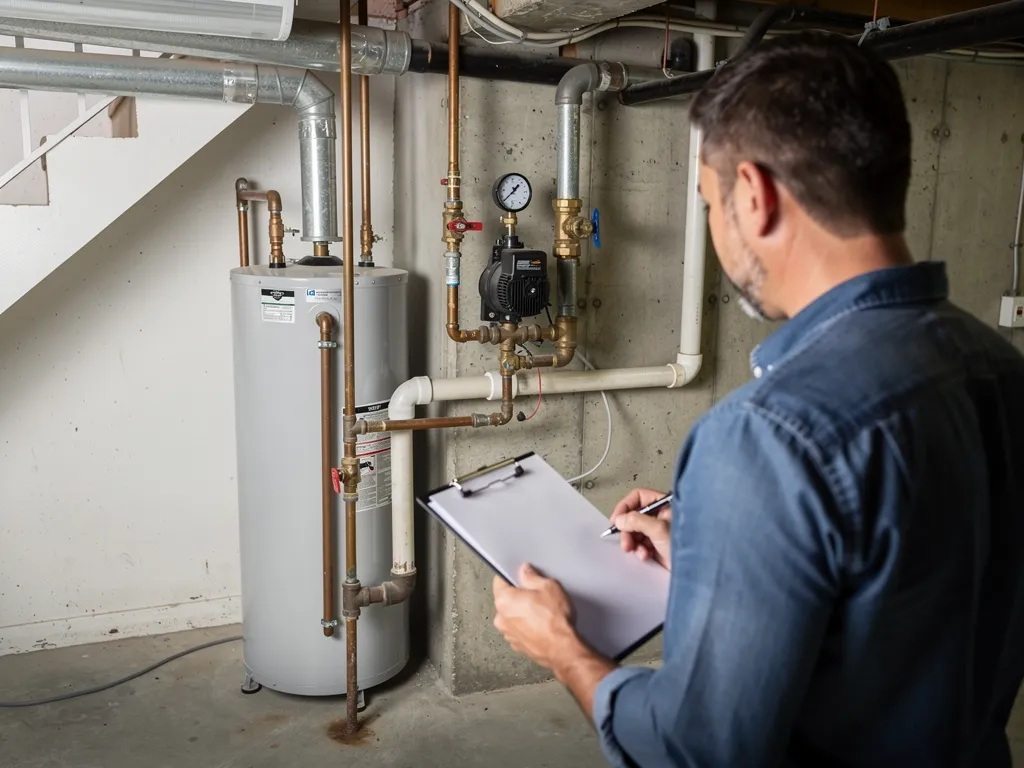
Homeowners can provide useful information without attempting to diagnose or dismantle the system.
Use this checklist to prepare for a service visit:
Describe the symptom: low pressure, no water, sputtering, frequent cycling, unusual noise, or visible sediment.
Record when it happens: during peak household use, after extended water use, after a power interruption, or at other times.
Note whether one fixture or the entire house is affected.
Record whether the water supply recovers after a period of reduced use.
Look for visible leaks or standing water around accessible equipment without opening or dismantling anything.
Note any recent repairs, changes in water quality, heavy rainfall, flooding, or nearby construction, if relevant.
Locate the well record and any previous service reports, if available.
Keep the well record in a safe place. It may contain information about the well's construction, depth, and recommended pumping rate that helps a professional assess the system. Ontario recommends retaining well records for future servicing, repair, and maintenance.
It is worth keeping equipment warranty documents alongside the well record. Coverage on a pump motor or control panel commonly runs one to five years depending on the manufacturer and typically applies to manufacturing defects rather than damage from freezing, poor installation, or ordinary wear, and your purchase receipts are usually what is needed to confirm a claim.
Source: https://www.ontario.ca/page/wells-your-property
Do not remove the well cap, pull out a pump, open electrical controls, or enter a well pit to investigate a symptom. Well maintenance can involve electrical hazards and potentially dangerous gases. Ontario recommends using appropriately licensed well professionals for work involving these hazards.
Source: https://www.ontario.ca/laws/regulation/900903
Two Examples of Why Symptoms Need Context
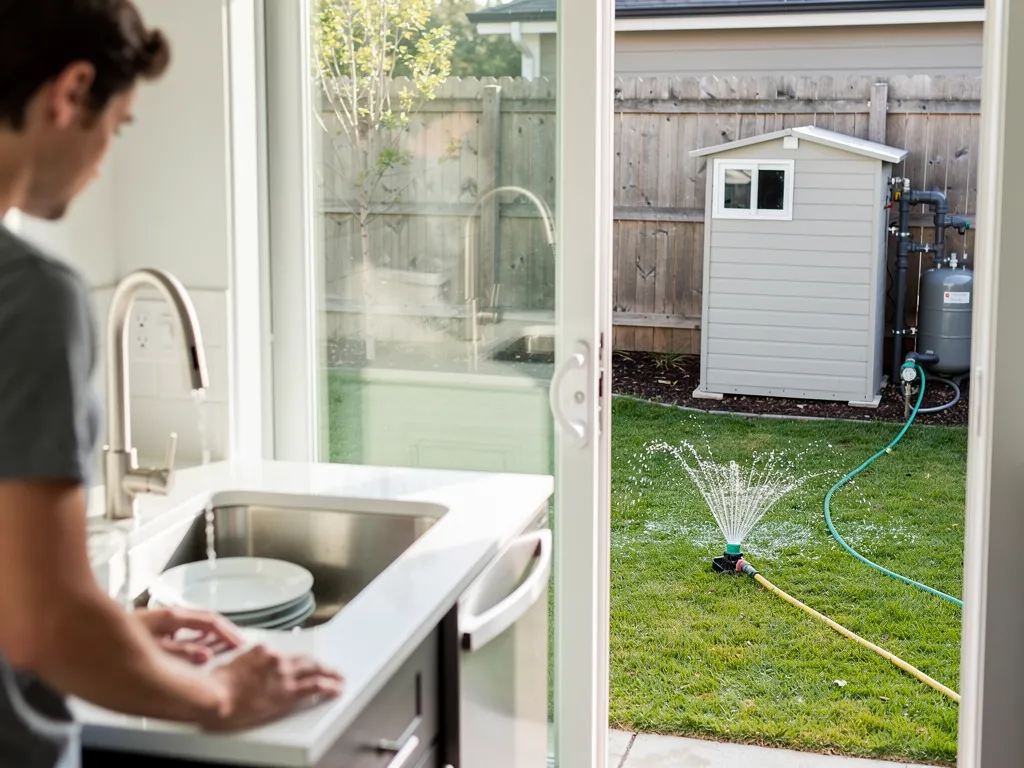
The following scenarios are illustrative, not diagnoses.
Example 1: Water Pressure Drops After Several Showers
A household has normal pressure early in the day, but water flow weakens after several showers and recovers later.
A pump fault is one possibility, but the assessment should also consider the well's recommended pumping rate, water levels during pumping, pressure-tank performance, and whether the household demand exceeds the system's delivery capacity.
Replacing the pump without assessing these factors could leave the original problem unresolved.
Example 2: Sediment Appears After a Pump Repair
A homeowner notices sediment in the water following a pump-related repair.
The timing is important, but it does not establish the cause. The investigation may need to consider the work performed, the condition of the well and its screen, whether sediment has been disturbed, and whether the water-quality change requires testing.
Depending on the work performed and the condition of the well, appropriate cleaning, disinfection, or further investigation may be necessary. The correct response should follow applicable Ontario requirements and the circumstances of the individual well.
Source: https://www.ontario.ca/page/disinfecting-private-water-wells
When to Seek Professional Assessment
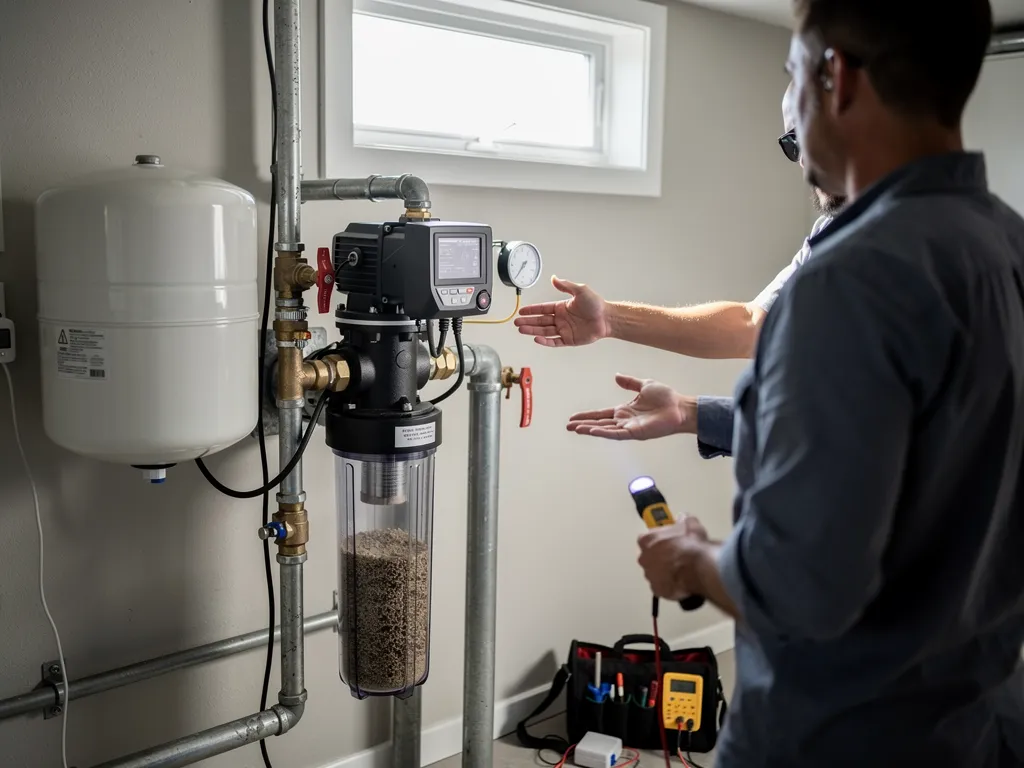
Arrange a qualified assessment when water pressure changes persist, the supply becomes unreliable, the pump cycles unusually, or you notice new equipment noises or sediment.
A complete loss of water, a suspected electrical fault, or a suspected contamination issue warrants prompt attention appropriate to the circumstances. If contamination is suspected, seek public-health guidance on whether the water is safe to use while the issue is investigated.
The right professional depends on the work required. Pump and electrical faults, plumbing problems, and well construction or groundwater issues may involve different qualifications. A thorough on-site assessment typically weighs your household's actual water usage, the depth and yield of the well, and the pressure demands of your home, the same factors that determine the correct pump size and type in the first place, so the technician is diagnosing against that baseline rather than guessing from the symptom alone.
In Ontario, Regulation 903: Wells sets out requirements concerning well construction and maintenance. Some work on an existing well, including certain alterations, must be performed by a licensed well contractor in Barrie and well technicians, subject to the regulation's requirements and exemptions. Not every routine well pump repair in Ontario has identical licensing requirements, so confirm what a given job requires before work begins.
Source: https://www.ontario.ca/laws/regulation/900903
Before authorizing significant repairs, ask the service provider:
What findings support the proposed diagnosis?
Have the pump, pressure system, and well's available water supply been considered?
Does the well record provide useful information about the recommended pumping rate or construction?
Is further testing or a more detailed well assessment necessary?
What work is included in the proposed repair, and are there other plausible causes that remain unconfirmed?
These questions help you understand whether the proposed work addresses the underlying problem or only one visible symptom.
The Next Step for Homeowners in Barrie
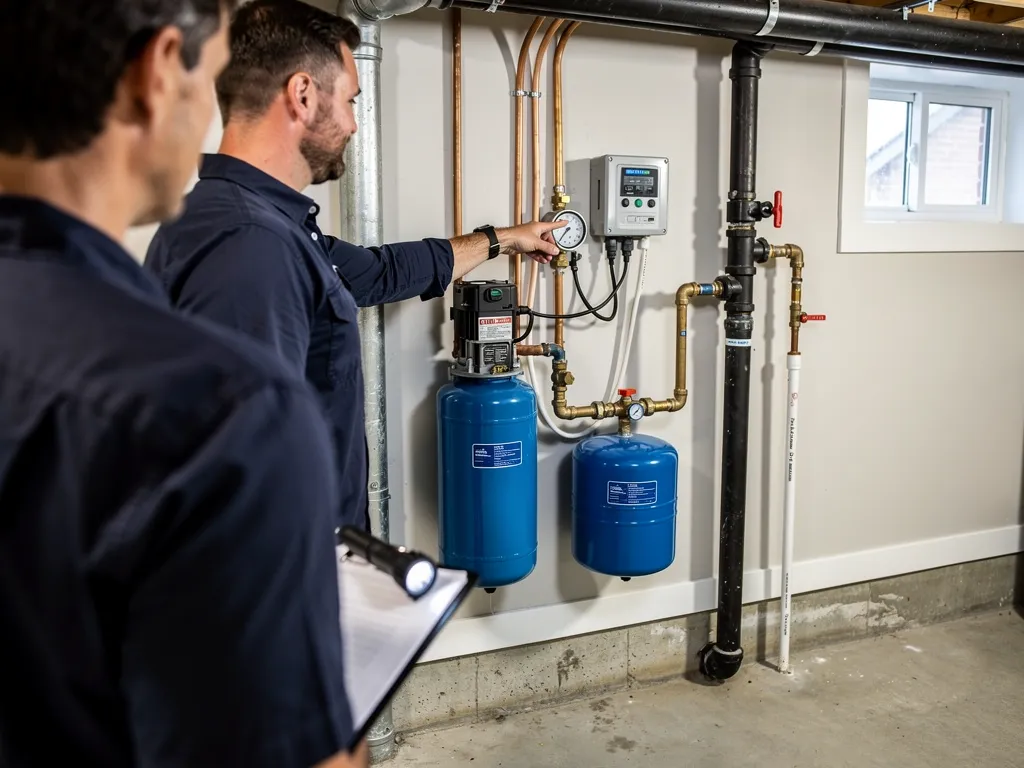
When your home's water supply becomes unreliable, the important question is not whether the pump alone needs replacing. It is what is preventing the complete well-water system from delivering the required supply?
A sound investigation considers the pump and pressure equipment alongside the well's construction, available groundwater, recommended pumping rate, and the conditions under which the symptoms occur.
If you are experiencing persistent water-supply problems, Harris Plumbing, Wells & Drains has investigated well-pump and water-supply systems across Simcoe County, Muskoka, and York Region for more than 52 years. The company is family- and veteran-owned, its technicians are certified and insured, and every assessment and repair is backed by a one-year workmanship guarantee.
Call (705) 730-7950 or email info@harrisplumbing.ca to schedule well pump service in Barrie, or to ask about private well water testing in Ontario if contamination is a concern.
References and Technical Resources
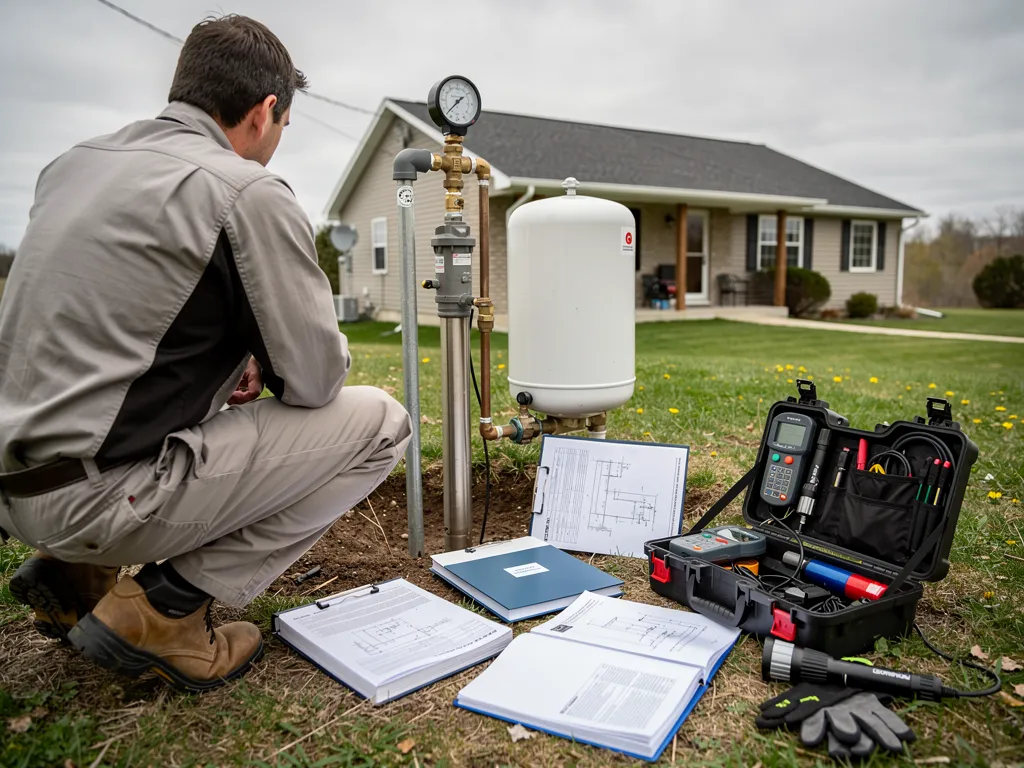
Government of Ontario — Maintenance & Repair: Water Supply Wells
https://www.ontario.ca/document/water-supply-wells-requirements-and-best-practices/maintenance Guidance on well maintenance, pumping-equipment problems, sediment, groundwater-level changes, well rehabilitation, and safety.
Government of Ontario — O. Reg. 903: Wells
https://www.ontario.ca/laws/regulation/900903 Ontario's regulation covering well construction and maintenance requirements.
Government of Ontario — Wells on Your Property
https://www.ontario.ca/page/wells-your-property Information on well-owner responsibilities, well records, construction, maintenance, and qualified contractors.
Government of Ontario — Disinfecting Private Water Wells
https://www.ontario.ca/page/disinfecting-private-water-wells Guidance relevant to well disinfection following applicable construction, repair, or maintenance activities.
Government of Ontario — Testing and Treating Private Water Wells
https://www.ontario.ca/page/testing-and-treating-private-water-wells Information on private-well water testing and treatment.
Public Health Ontario — Well Water Testing
https://www.publichealthontario.ca/en/laboratory-services/well-water-testing Information on bacterial testing for private-well water.
Grundfos — Official Website
https://www.grundfos.com/ Manufacturer resource for locating applicable pump documentation and model-specific technical guidance.